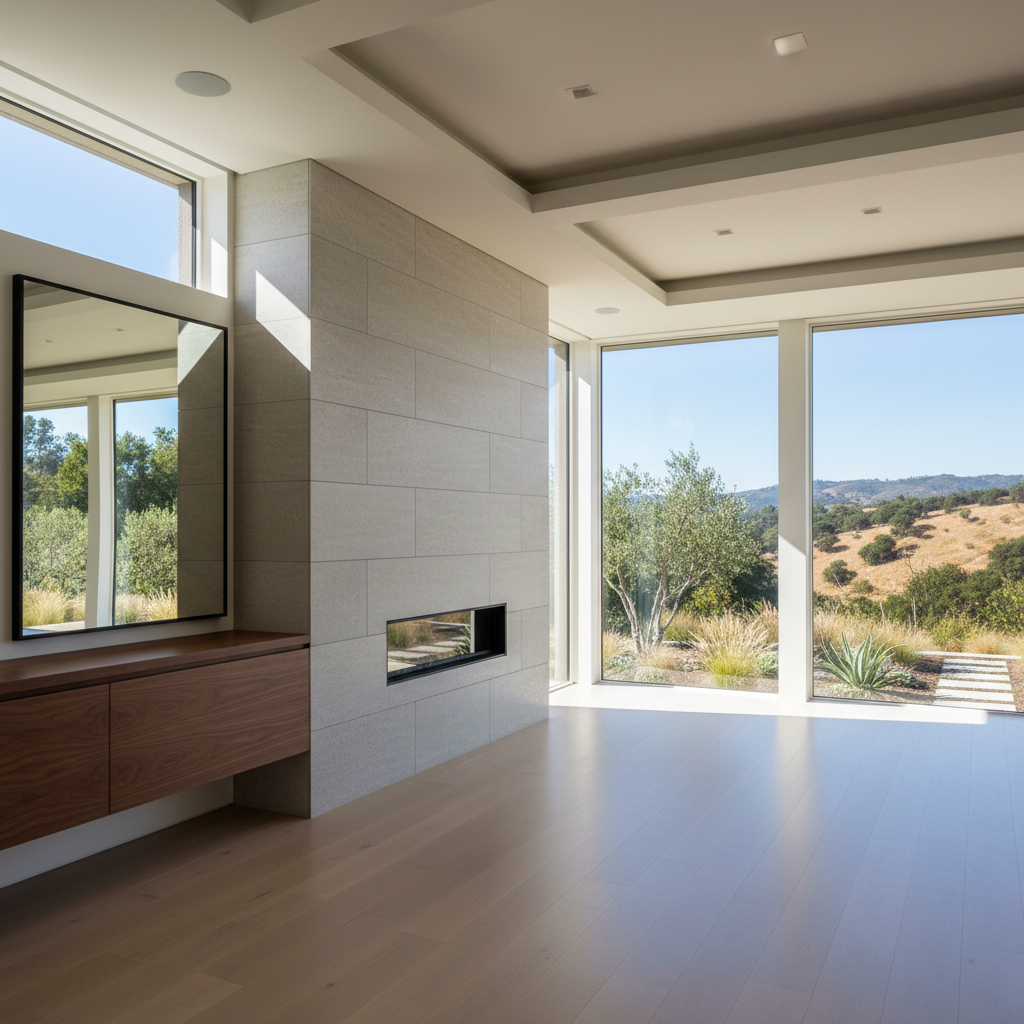
You've put a lot into your Palo Alto home's inside look, whether it's fresh paint, custom cabinets, or those gorgeous hardwood floors. It's more than just looking good; these finishes actually protect your home's structure and add to its overall value. Even the best materials, though, need a little care. I've seen firsthand what happens when people skip the simple stuff, and honestly, it always costs more to fix later.
Making Your Interior Finishes Last Longer
The biggest thing you can do to keep your interior finishes looking good for years is pretty straightforward: control the environment inside your house. Here in Palo Alto, we get those long, dry summers, then cooler, wetter winters. That back-and-forth, especially the dry air, can really beat up things like wood floors, trim, and even painted surfaces. Wood expands and shrinks with humidity changes, and if it stays too dry for too long, you'll start seeing gaps, cracks, and even warping. I've actually seen beautiful custom cabinetry in older homes near Professorville begin to crack because the humidity wasn't managed.
Think about getting a humidifier for those drier months, especially if you've got a lot of natural wood around. Keeping your indoor humidity steady, ideally somewhere between 35-55%, is truly your best friend. Also, keep your finishes out of direct, extended sunlight. Our California sun is no joke; it'll fade paint, stain, and fabrics quicker than you'd believe. So, use blinds, curtains, or even UV-filtering window films on windows that catch a lot of direct sun.
What Regular Maintenance Actually Looks Like
This isn't brain surgery, but it's all about doing things consistently. For painted walls and trim, a gentle wipe-down with a damp cloth and a little mild soap (if you need it) every few months stops dust and grime from building up. Just don't scrub too hard, especially on flat or matte finishes, or you'll end up with shiny spots. Touch-up paint is a lifesaver for small scuffs; keep a small can of each color you used handy.
Hardwood floors need regular sweeping or vacuuming with a soft brush attachment. That prevents grit from scratching them up. Mop them sparingly with a cleaner made for wood – never use too much water. For tile and grout, regular cleaning keeps mold and mildew away, especially in bathrooms. Re-sealing grout every few years, particularly in those high-moisture areas, is a smart move, believe me. For custom millwork and cabinetry, a soft, dry cloth for dusting usually does the trick. If they get sticky or greasy, use a very mild, non-abrasive cleaner designed for wood finishes, and always, always test it in a hidden spot first.
Signs That Something's Wrong
You're in your home every single day, so you're the best person to spot problems early. Here are a few things to keep an eye out for:
- Cracks or Gaps: Small hairline cracks in paint or drywall around doorframes, windows, or ceiling corners are often just normal house settling or humidity changes. But if they're growing fast, getting wider, or showing up on lots of surfaces in a pattern, that could point to foundation movement or structural stress.
- Peeling or Bubbling Paint: This pretty much always means moisture is involved. It might be a leak from above, condensation building up, or even moisture coming through the wall from outside. Don't just paint over it; find where that moisture is coming from first.
- Stains or Discoloration: Yellowish or brownish stains on ceilings or walls usually signal water damage. Dark spots, especially in bathrooms or basements? That could be mold.
- Warping or Cupping Wood: If your hardwood floors are starting to cup (edges higher than the middle) or crown (middle higher than the edges), or if trim pieces are twisting, that's a strong sign of humidity problems. Either way too much or way too little moisture in the air.
- Loose or Damaged Grout/Caulk: This is a big deal for wet spots like showers and kitchens. If grout is crumbling or caulk is pulling away, it's basically an open invitation for water to get behind your tiles or into your walls, which leads to bigger, more expensive issues like rot or mold.
When It's Time to Call a Professional
Look, you can handle a lot of this maintenance yourself. But sometimes, you really need to bring in someone who knows their stuff. If you see those widespread or quickly growing cracks, or if you suspect foundation issues, don't mess around. Get a structural engineer or a reputable general contractor like us at Palo Alto Custom Homes to come take a look.
If you've got persistent water stains and can't figure out the source, or if you're dealing with a lot of mold, a professional moisture intrusion specialist or mold remediation company is absolutely essential. Trying to DIY serious mold can be risky for your health, and often, it doesn't even fix the root problem. For extensive wood damage, like widespread warping or rot, or if you're thinking about refinishing floors or cabinetry, a skilled craftsman will make sure the job gets done right and lasts. Don't wait until a small problem turns into a huge headache; catching things early and getting professional help can save you a ton of money and stress in the long run.