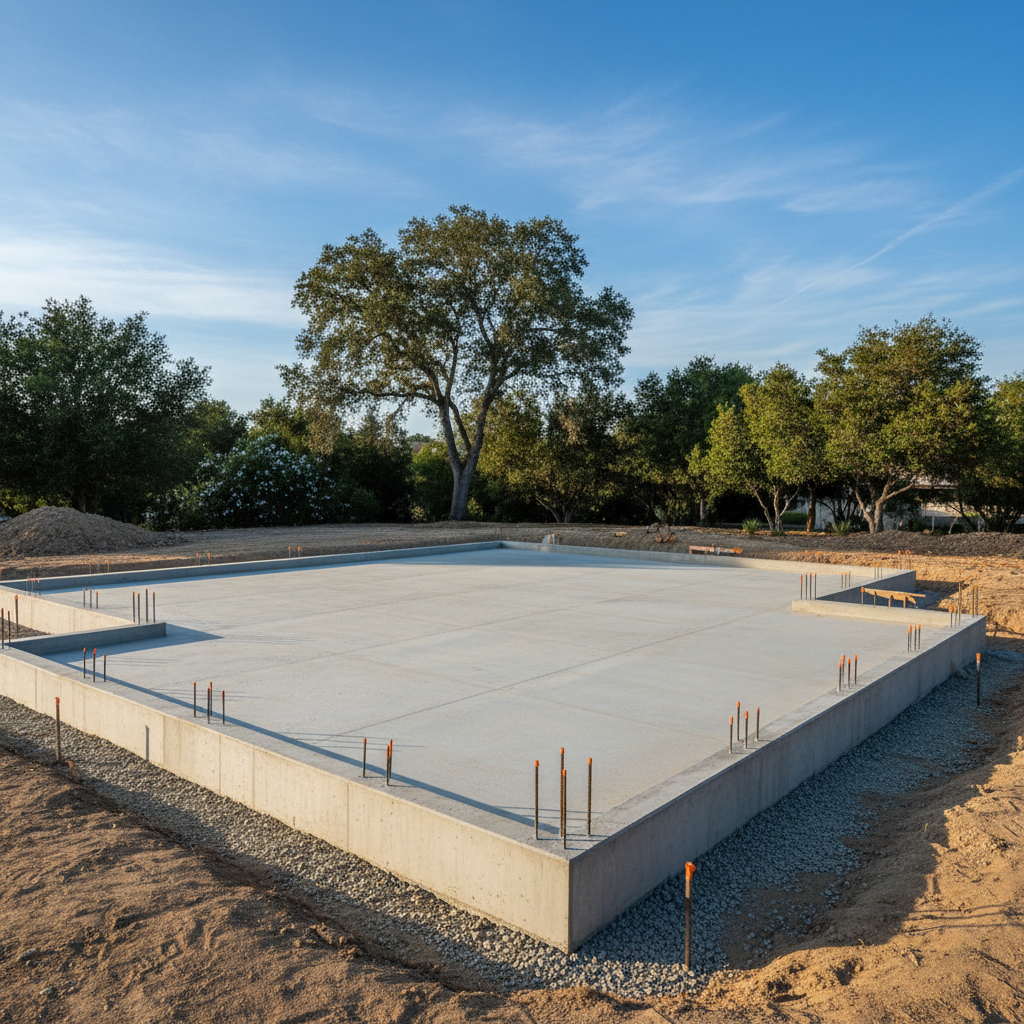
So, you're thinking about building a custom home here in Palo Alto. That's exciting! But before you get too deep into floor plans and finishes, you've got to pick the right builder. And let me tell you, that's probably the most critical decision you'll make. I've seen a lot of projects over the years, both good and bad, and a solid builder makes all the difference. You're not just hiring someone to swing a hammer; you're hiring a partner for a huge investment. So, let's talk about how to really vet these folks.
What Questions Should You Be Asking?
Don't be shy. This is your money, your home, your future. You need to dig deep. Here are some questions I'd hit them with:
- Can you give me a detailed project schedule? I'm talking key milestones and estimated completion dates. And what happens if you miss those dates?
- How do you handle change orders? What's the process for approving them, and what kind of markup do you typically add to materials and labor for changes?
- What's your communication style? How often can I expect updates, and through what channels (email, phone, in-person meetings)?
- Who will be my main contact throughout the build? Will it be you, the owner, or a project manager?
- How many projects do you typically manage at one time? You don't want them spread too thin, right?
- What kind of warranty do you offer on your work, and how do you handle issues that pop up after we move in?
- Can you give me at least three references from past clients whose projects were similar to mine? Also, can I visit one or two of your active job sites?
- How do you make sure quality stays high on the job site? What's your process for inspections and fixing problems?
- What's your approach to budgeting and cost control? How do you keep me informed if costs start to creep up?
Listen to their answers, but also pay attention to how they answer. Are they confident? Transparent? Do they sound like they know their stuff, or are they just giving you canned responses?
Decoding the Quote: More Than Just a Number
When you get a quote, it's easy to just look at the bottom line. Big mistake. A good quote is detailed, transparent, and just makes sense. Here's what you need to scrutinize:
- Line-Item Detail: Is it broken down by phase, by material, by labor? You want to see specifics. Not just "Framing: $X," but "Lumber: $Y, Framing Labor: $Z, Fasteners: $W." The more detail, the better. It shows they've thought it through.
- Allowances: These are estimates for things you haven't picked out yet, like light fixtures or tile. Make sure these allowances are realistic for your taste and budget. If they're too low, you'll blow past them quickly, and that's where cost overruns start.
- Payment Schedule: How are they asking for payments? A common structure involves payments tied to completed milestones. Be wary of large upfront payments, especially if they're not tied to specific work.
- Exclusions: What's NOT included? This is just as important as what is. Landscaping? Appliances? Utility hookups? Make sure you understand what you're responsible for.
- Contingency Fund: A good builder will often include a contingency, usually 5-10% of the total project cost, for unforeseen issues. This is smart planning, especially with older homes in areas like Old Palo Alto where you never know what you'll find behind a wall.
Compare quotes not just on price, but on what each price actually covers. A cheaper quote might be missing a lot of critical items.
Red Flags You Can't Ignore
You're looking for a partner, not a headache. Watch out for these warning signs:
- Vague or Incomplete Contracts: If it's not in writing, it doesn't exist. Period.
- Demanding Large Upfront Payments: Beyond a reasonable deposit to secure materials or permits, be cautious.
- Unwillingness to Provide References or Show Past Work: This is a massive red flag. Why are they hiding?
- Excessive Pressure to Sign Quickly: "This price is only good today!" Walk away. A reputable builder won't rush you.
- Poor Communication During the Vetting Process: If they're slow to respond now, imagine how it'll be when they've got your money.
- No Insurance or Licensing: Absolutely non-negotiable. They need general liability and workers' compensation.
- Subcontractor Issues: Ask about their subs. Do they use the same ones consistently? Do they pay them on time? Unhappy subs can cause major delays and quality problems.
Verifying Legitimacy: Do Your Homework
Don't just take their word for it. You need to confirm they're on the up and up.
- Check Their License: Go to the California Contractors State License Board (CSLB) website. You can look up their license number, see if it's active, if they have any disciplinary actions, and verify their bond and insurance. This is step one for any builder in California.
- Verify Insurance: Ask for certificates of insurance directly from their insurance provider, not just a copy from the builder. You need to see current General Liability and Workers' Compensation coverage.
- References (and Call Them!): Don't just collect names. Call those past clients. Ask about their experience, communication, budget adherence, and how issues were resolved. Ask if they'd hire them again.
- Online Reviews: Check Yelp, Google, Houzz, whatever. Take them with a grain of salt – sometimes people are just grumpy – but look for patterns. A lot of similar complaints is a bad sign.
- Visit Job Sites: If they're willing to let you visit an active site, that's a great sign. Look at the organization, the cleanliness, the safety practices, and how the crew interacts. Does it look like a professional operation?
- Ask About Their Team: Who are their key employees? How long have they been with the company? A stable, experienced team is a good indicator.
Building a custom home is a big deal, and choosing your builder is the foundation of that project. Take your time, ask the tough questions, and trust your gut. Here at Palo Alto Custom Homes, we believe in full transparency because we know a well-informed client is a happy client. Do your due diligence, and you'll set yourself up for success.