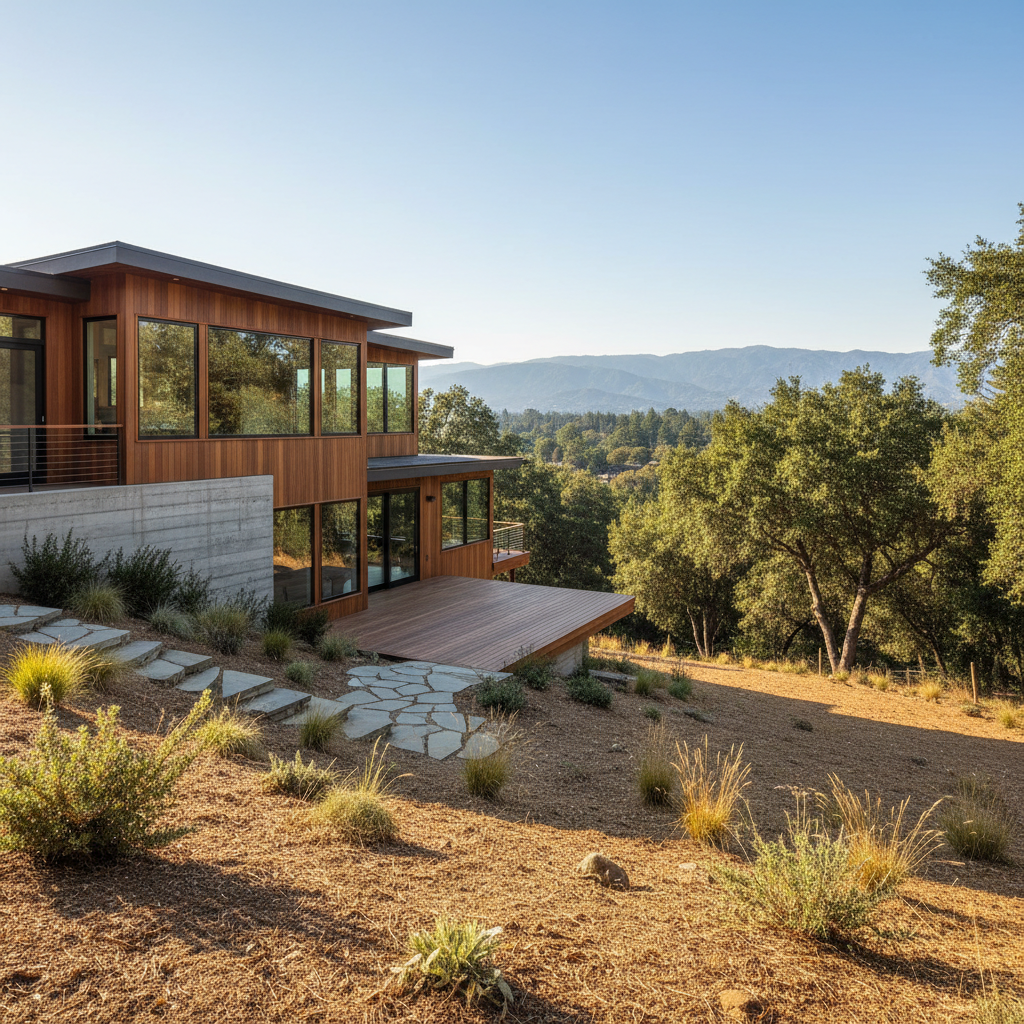
Thinking about building a custom home here in Palo Alto? That's exciting! But before you even break ground, or even pick your lot, you've got to think about our local climate. It's not just about sunny days; it's about how those conditions affect everything from site selection to the long-term health of your home. I've been doing this for a while, and I've seen firsthand what works and what doesn't.
Site Selection: More Than Just a View
When you're looking at a piece of land, sure, you're picturing your dream home on it. But I'm looking at things like sun exposure, prevailing winds, and drainage patterns. Palo Alto's microclimates can be pretty distinct, even within a few blocks. A lot closer to the Bay might have more fog and dampness than one up near the foothills. This impacts everything from where we place windows for natural light and heat gain to how we design your foundation.
We also have to consider the soil. Many areas, especially those closer to the Bay or old creek beds, can have expansive clay soils. This stuff shrinks when dry and swells when wet, which can be a real headache for foundations if not properly managed. It's why a thorough geotechnical report isn't just a suggestion; it's a critical step. We need to understand what we're building on so we can engineer a foundation that will stand strong for decades, no matter what the ground underneath does.
Scheduling Your Build: Timing is Everything
You might think any time is a good time to build, but that's not quite true, especially for certain phases. Here's how I usually advise clients:
- Foundation and Framing: We really prefer to get the foundation poured and the framing up during the drier months, typically late spring through early fall. Concrete doesn't like to cure in freezing temperatures (not a huge issue here, but still), and heavy rain can delay pours, make trenches muddy, and generally slow things down. Getting the roof on before the real winter rains hit is a big win.
- Exterior Finishes: Stucco, exterior paint, and even some landscaping work are best done when it's dry and not too cold. You want these materials to cure properly without being washed out or freezing.
- Interior Work: Once the home is dried in – meaning the roof, windows, and doors are installed – we're much less at the mercy of the weather. This is when we can really make progress on plumbing, electrical, insulation, and drywall, even if it's pouring outside.
Our typical rainy season runs from November to April. While we can definitely work through it, scheduling critical exterior work outside of those months can save you time and money by avoiding weather delays.
Protecting Your Investment Year-Round
Once your custom home is built, you've got a beautiful, valuable asset. Protecting it means paying attention to a few key things, many of which are climate-related:
- Drainage and Gutters: Make sure your gutters are clean and your downspouts direct water well away from your foundation. With our heavy winter rains, clogged gutters are an open invitation for water to pool around your house, which can lead to foundation issues or even water intrusion.
- Landscaping Choices: Drought-tolerant plants are a smart choice here, not just for water conservation, but because they often have root systems that are less likely to interfere with foundations. Keep an eye on trees and large shrubs planted too close to the house; their roots can seek out moisture and cause problems.
- Regular HVAC Maintenance: Our summers can get hot, and our winters, while mild, still require heating. Regular maintenance on your heating and cooling systems isn't just about comfort; it keeps them running efficiently and prevents costly breakdowns.
- Exterior Inspections: Take a walk around your home once or twice a year. Look for cracks in stucco or siding, peeling paint, or any signs of water staining. Catching small issues early can prevent them from becoming big, expensive problems.
Building a custom home with Palo Alto Custom Homes means we're thinking about all these things from day one. We're not just building a house; we're building a home that's designed to thrive in our specific environment, giving you peace of mind for years to come.