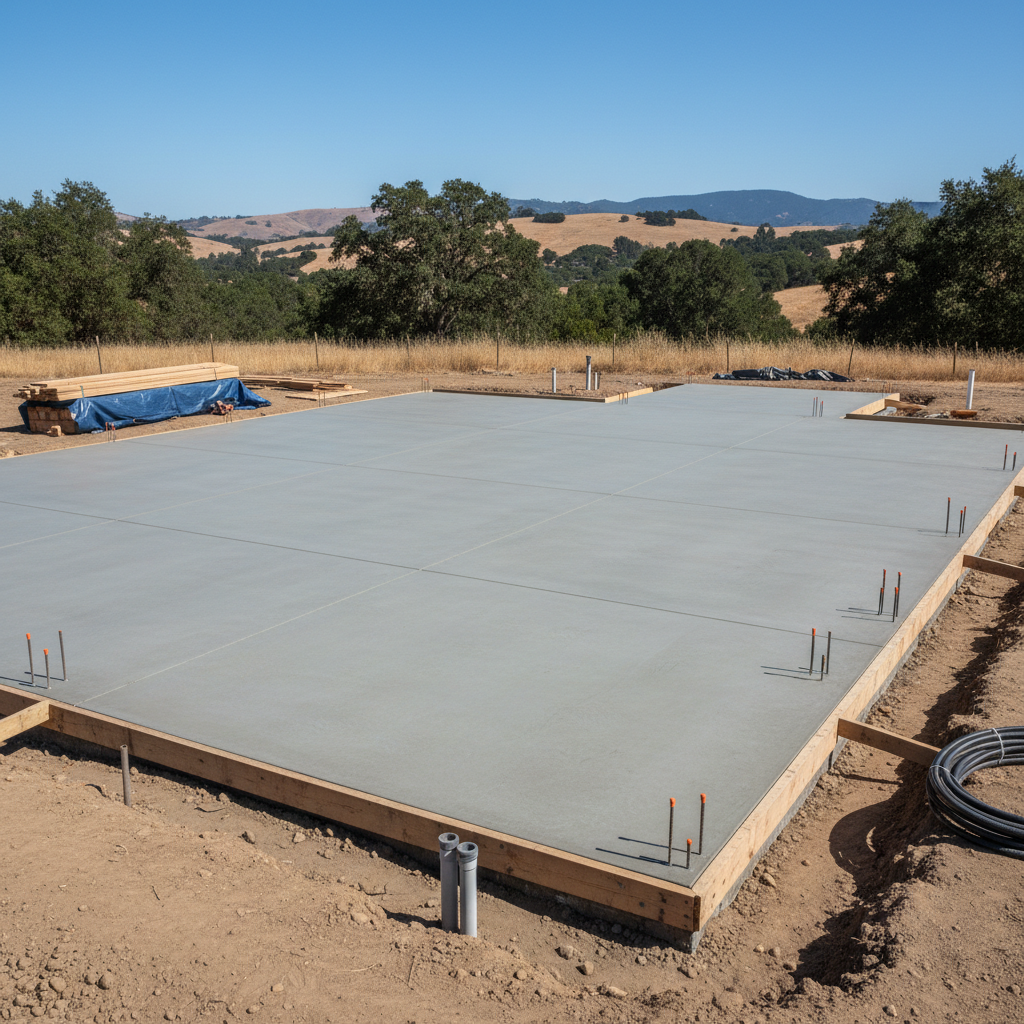
Your home's foundation isn't something you think about every day, but it's literally holding everything up. It's the most critical part of your house, and honestly, too many folks ignore it until there's a real problem. Here in Palo Alto, with our active soils and occasional heavy rains, taking care of your foundation isn't just a good idea. It's essential.
Why Foundation Maintenance Matters (Especially Here)
Look, we live in an area with expansive clay soils. That means when it gets wet, the soil swells. Then, when it dries out, it shrinks. This constant movement puts a lot of stress on your foundation. Add in our dry summers and then the sudden, heavy downpours we get in winter, and you've got a recipe for potential trouble if you're not paying attention. A well-maintained foundation protects your whole home from structural damage, prevents costly repairs down the line, and keeps your property value solid. It's an investment, plain and simple.
Extending Your Foundation's Lifespan
You want your foundation to last as long as your house, right? Here's what I tell my clients at Palo Alto Custom Homes:
Manage Water Effectively: This is probably the biggest one. Water is your foundation's enemy. Make sure your gutters are clean and in good repair, and that your downspouts extend at least five to ten feet away from your foundation. You want water to drain *away* from your house, not pool around it. Check your landscaping, too – make sure the ground slopes away from the foundation, not towards it.
Keep Soil Moisture Consistent: This sounds tricky, but it's about minimizing those drastic wet-dry cycles around your foundation. In our long, dry summers, consider a drip irrigation system around your foundation perimeter. This keeps the soil consistently moist, but not saturated, which helps prevent the soil from shrinking too much and pulling away from your foundation.
Watch Your Landscaping: Tree roots are powerful. If you've got large trees or shrubs too close to your foundation, their roots can either wick moisture away, causing soil shrinkage, or grow directly under the foundation, causing uplift. Keep an eye on them and consider root barriers if necessary. Or, plant smaller, less invasive species closer to the house.
Regular Inspections: You wouldn't skip an oil change for your car, so don't skip checking your foundation. I recommend a thorough visual inspection at least once a year, maybe twice if we've had a particularly wet winter or a very dry summer.
What Regular Maintenance Looks Like
It's not rocket science, but it does take a little effort. Here's your checklist:
Clean Gutters and Downspouts: Do this at least twice a year, more if you have a lot of trees shedding leaves. Make sure they're clear of debris and that water flows freely.
Check Drainage: After a rain, walk around your house. Are there puddles forming near the foundation? Is water running towards your house? If so, you might need to regrade the soil or install French drains.
Inspect for Cracks: Walk the perimeter of your house. Look for cracks in the foundation walls, especially horizontal cracks or cracks wider than a quarter-inch. Don't forget to check inside your crawl space or basement if you have one.
Monitor Doors and Windows: Are they sticking? Do they not close properly anymore? This can be an early sign of foundation movement.
Look at Interior Walls and Ceilings: Keep an eye out for new cracks, especially around door and window frames, or where walls meet ceilings. Diagonal cracks are often a red flag.
Check for Uneven Floors: If you notice dips or slopes in your floors, that's definitely something to investigate.
Warning Signs of Foundation Problems
Some issues are minor, but others scream