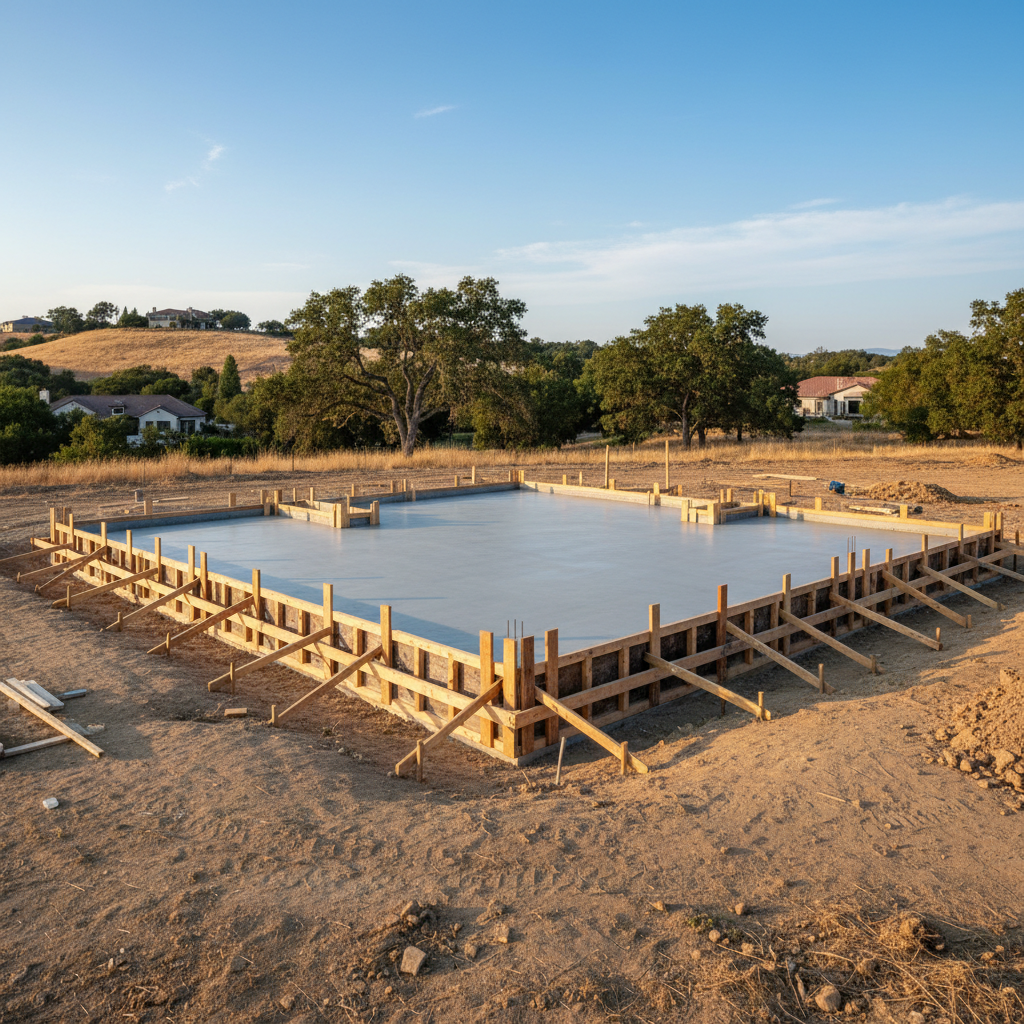
Alright, so you're looking at a new foundation project here in Palo Alto. Maybe you're building a new custom home, or perhaps you're adding a significant extension that needs its own solid base. Whatever the reason, getting the foundation right is absolutely critical. It's literally the bedrock of your entire project, and you don't want to cut corners or go into it blind. I've seen enough projects to know that good planning upfront saves a ton of headaches and money down the line, believe me.
Foundation Project Timeline: What to Expect
Let's talk about how long this whole foundation thing takes. It's definitely not an overnight job. From the moment you decide to build a new foundation to when the concrete is cured and ready for framing, you're looking at a multi-stage process. I'd say, realistically, you should budget anywhere from 4 to 8 weeks for the foundation phase itself, once permits are in hand and site work begins. That's a general range, of course, and it can vary a lot based on how complex your foundation is, the soil conditions, weather, and how quickly inspections happen.
Here's a breakdown of the typical steps and what influences the timeline:
- Site Preparation & Excavation (1-2 weeks): First, we clear the site. That means getting rid of any existing structures, trees, or debris. Then comes the excavation. For a typical slab-on-grade foundation, we're digging out for footings and utilities. If you're going for a crawl space or a full basement, that excavation is a much bigger job and takes longer. Here in Palo Alto, especially closer to the Bay, we often deal with expansive clay soils, which can sometimes require deeper or more engineered footings. That adds a little time to this phase.
- Formwork & Rebar Installation (1-2 weeks): Once the hole is dug, we build the forms that will hold the concrete in place. This is also when the rebar (steel reinforcing bars) goes in. This rebar cage is what gives your foundation its strength and helps it resist cracking and seismic forces. This stage requires precision; everything has to be perfectly level and square.
- Rough-in Plumbing & Electrical (1 week): Before we pour concrete, any under-slab plumbing (drain lines, water lines) and electrical conduits need to be installed and inspected. This is a critical step because once the concrete is poured, making changes is a nightmare.
- Concrete Pour & Curing (1-3 weeks): The big day! The concrete trucks arrive, and we pour. Depending on the size of the foundation, this can be a single day or spread over a few days for larger projects or multiple pours. After the pour, the concrete needs time to cure. This isn't just about it looking dry; it's a chemical process where the concrete gains strength. You can't rush this. We typically keep it moist for several days to ensure proper curing, and it usually takes a full week or two to reach sufficient strength for the next phases of construction.
- Waterproofing & Backfill (1 week): For crawl spaces or basements, waterproofing gets applied to the exterior foundation walls. Then, we backfill the excavated areas around the foundation.
How to Prepare for Your Foundation Project
Preparation is key to a smooth foundation build. You definitely don't want to be scrambling once the earth movers show up.
- Get Your Plans & Permits in Order: This is non-negotiable. You need approved architectural and structural plans. Your contractor will help with the permit application, but having your designs finalized and approved by the city of Palo Alto is the first big hurdle. Don't underestimate the time this takes.
- Understand Your Soil: A good geotechnical report is essential. It tells us what kind of soil we're dealing with, its bearing capacity, and if there are any special conditions like high water tables or expansive clays. This report directly impacts the foundation design.
- Access and Site Logistics: Think about how materials and equipment will get to your site. Are there narrow streets, overhead power lines, or tight property lines? We need space for concrete trucks, excavation equipment, and material storage. Clear the area of anything that could be in the way – garden sheds, old fences, landscaping.
- Utility Disconnects: If you're demolishing an existing structure, make sure all utilities (gas, water, electricity, sewer) are properly disconnected and capped off by the appropriate utility companies.
- Neighbor Communication: This is a big one. Construction is noisy and can be disruptive. Let your neighbors know what's happening, especially regarding excavation and concrete pours. A little heads-up goes a long way in maintaining good relationships.
What Questions to Ask Before Signing a Contract
Before you commit to a contractor for your foundation, you need to ask some pointed questions. This isn't just about the price; it's about trust, quality, and avoiding problems.