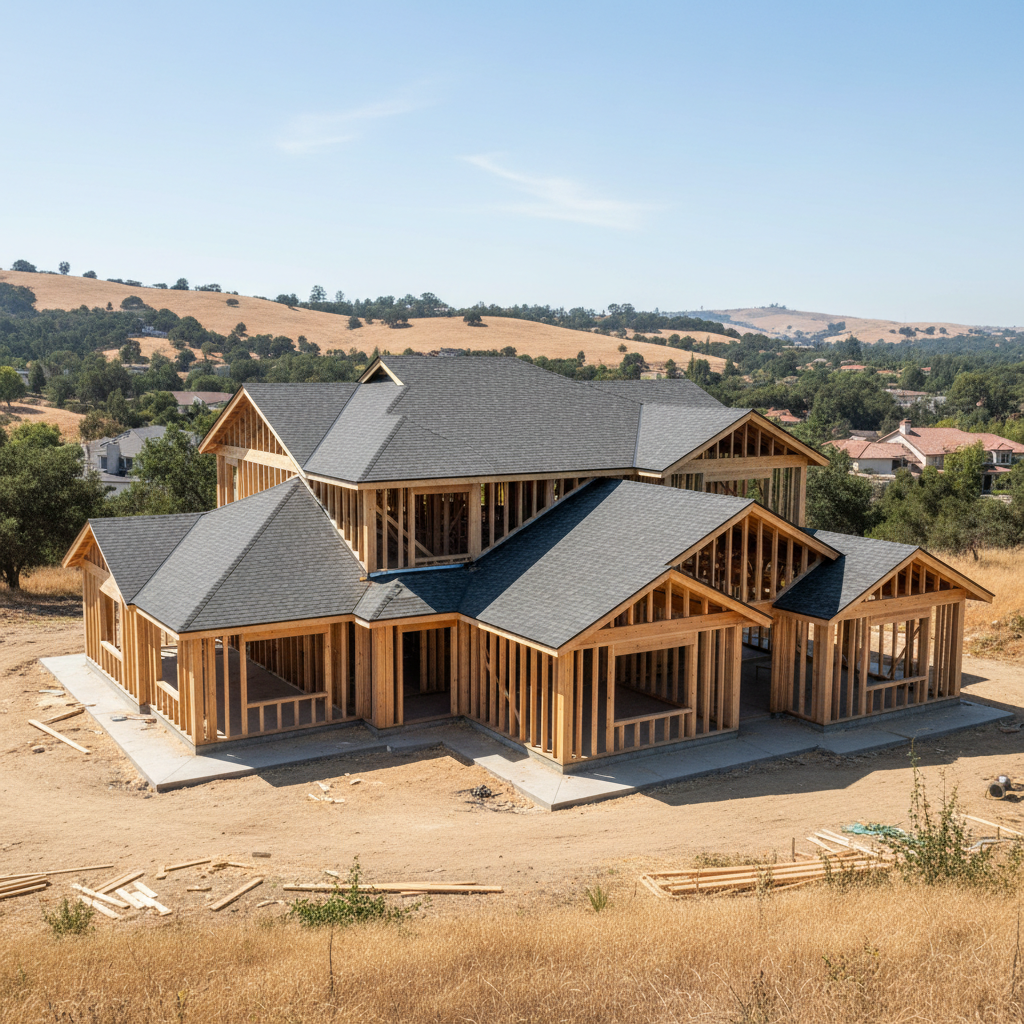
So, you're thinking about a framing or roofing project for your Palo Alto home? Maybe you're adding a second story, expanding a living space, or it's just time for a full roof replacement. Whatever the reason, these aren't small jobs. They're big investments, and you definitely want them done right. As someone who's been building here for years, I've seen a lot, and I've got some straight talk for you about getting ready.
Understanding Your Project Timeline
People always ask, "How long will this take?" It's the million-dollar question, and the honest answer is: it really varies. For a big framing project, like adding a second story, you're probably looking at several months from start to finish—and that's *after* permits are approved. A full roof replacement might be a few weeks, depending on how complex it is and what materials you pick. Here’s a rough breakdown:
- Design & Engineering (1-3 months): You need plans. Good ones, too. This means working with architects and structural engineers. Don't rush this part; it sets the stage for everything else.
- Permitting (2-6 months, or more): This is often the longest and most unpredictable phase here in Palo Alto. The city's planning and building departments are thorough, and depending on your project's size and how busy they are, it can take a while. We've seen projects in neighborhoods like Old Palo Alto or Crescent Park sometimes take longer because of specific zoning rules or historical review processes. Factor this in; you can't skip it.
- Material Procurement (2-8 weeks): Once we have those permits in hand, we order materials. Lumber, trusses, roofing materials – lead times can really vary, especially for custom items or if there are supply chain hiccups.
- Construction (Weeks to Months): This is where the magic happens, right? A roof replacement might take 2-4 weeks. A major framing job could be 2-4 months. Weather can play a role here, too; we certainly don't want to be framing in a downpour if we can help it.
My advice? Add a buffer to whatever timeline your contractor gives you. Things happen, you know?
What to Expect During Construction
It's going to be disruptive. There's just no way around it. You'll have:
- Noise: Saws, hammers, nail guns, generators. It's construction, after all.
- Dust & Debris: We do our best to contain it, but dust travels. Expect some mess.
- Workers: A crew will be on your property daily. They're professionals, but it's still your home.
- Limited Access: Certain areas might be off-limits for safety reasons.
- Inspections: City inspectors will visit at various stages to make sure everything meets code. This is a good thing; it keeps everyone honest and safe.
We'll always try to keep you in the loop about what's happening and when. Good communication is key to managing expectations.
How to Prepare Your Home and Family
Once the project starts, you'll be glad you did some prep work:
- Clear the Area: Move outdoor furniture, plants, and anything valuable away from the construction zone. For roofing, clear attics and top-floor rooms of anything fragile or dust-sensitive.
- Protect Interiors: If interior framing is involved, cover furniture and floors. Even for exterior work, dust somehow finds a way in.
- Plan for Utilities: Sometimes power or water might need to be temporarily shut off. We'll give you a heads-up.
- Pet & Child Safety: Keep pets indoors or away from the site. Explain to kids that it's a dangerous area and they need to stay clear.
- Talk to Neighbors: A quick chat with your neighbors about the upcoming noise and activity goes a long way. They'll appreciate the heads-up.
- Temporary Living: For really extensive projects, some families choose to move out temporarily. It's not always necessary, but it's an option to consider for your comfort.
Key Questions Before Signing a Contract
Don't just sign on the dotted line. Ask these questions:
- What's the full scope of work, clearly itemized? Make sure every detail is in writing.
- What's the payment schedule? Avoid paying a huge chunk upfront. A reasonable schedule ties payments to completed milestones.
- Who is the project manager, and how will communication work? You need one point person.
- What's your process for change orders? Changes happen. You need to know how they'll be priced and approved.
- What kind of warranty do you offer on your work? Get it in writing.
- Are you licensed and insured? Ask for proof of both general liability and workers' compensation insurance. This protects you if something goes wrong. Palo Alto Custom Homes always provides this upfront.
- Can I see references and examples of similar projects? Talk to past clients. See their work.
- What's your plan for site cleanup and debris removal? You don't want a construction dump in your yard for weeks, do you?
- How do you handle city inspections? We manage all inspections, but you should know the process.
Taking on a framing or roofing project is a big deal. But with good planning and the right team, it doesn't have to be a headache. Do your homework, ask the tough questions, and you'll set yourself up for success.