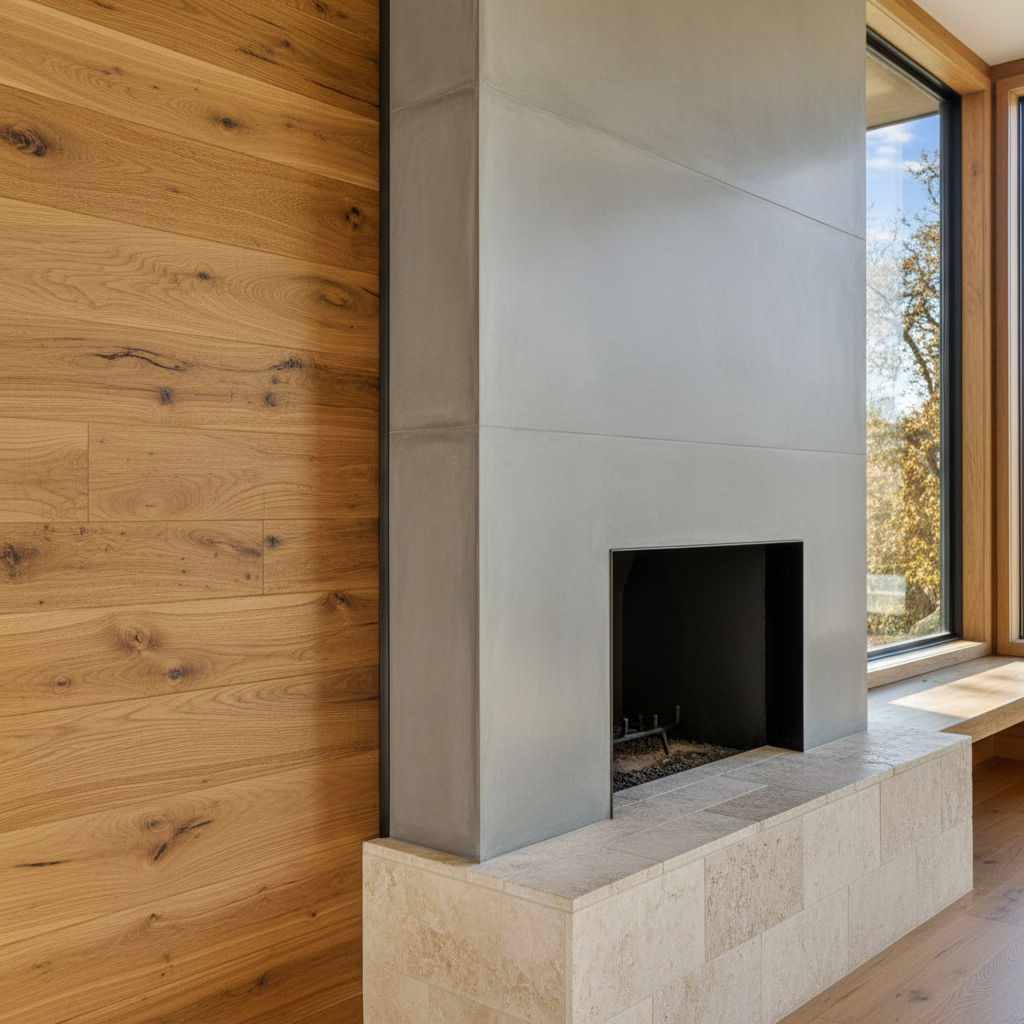
So, you're looking to spruce up your Palo Alto home's interior, huh? Maybe it's just a fresh coat of paint, some new trim, or a full-blown kitchen facelift. Whatever you're planning, getting those interior finishes just right makes all the difference. It's truly where your house starts to feel like home. I've seen a lot of projects over the years, and there are some common threads that separate the smooth ones from the real headaches. Let's break down what you need to know before, during, and after your interior finishing project.
Before You Start: Planning is Everything
Don't just jump in with a paintbrush or a sledgehammer. Seriously, that's a recipe for disaster. The planning phase is absolutely critical; it's where you decide what you're actually going to do and who's going to do it. First, define your scope. Are we talking about painting a single room, or are you tearing out walls and reconfiguring spaces? Be realistic about your budget and timeline. Material costs can add up fast, especially with the high-end finishes many Palo Alto homeowners prefer. And remember, good work takes time.
Next, think about permits. For simple cosmetic changes like painting or installing new flooring, you usually won't need one. But if you're moving plumbing, electrical, or structural elements – even just adding a new light fixture in a different spot – you'll likely need a permit from the city. Don't skip this step. It's not just about avoiding fines; it's about ensuring safety and compliance, which protects your home's value down the line. I've seen folks try to cut corners, and it always comes back to bite them, believe me.
Finally, consider your design. What look and feel are you going for? Collect inspiration. Think about how the new finishes will integrate with the rest of your home. You don't want a modern, minimalist kitchen right next to a Victorian-style living room unless that's a very intentional choice, right? Picking out colors, textures, and materials takes time, so don't rush it. Get samples, live with them for a few days, see how they look in different light.
During the Project: DIY or Call a Pro?
This is where the rubber meets the road. A big question always comes up: what can you do yourself, and when should you bring in the pros? My general rule of thumb is this: if it involves specialized tools, safety risks, or could cause significant damage if done incorrectly, call an expert. If it's mostly cosmetic and you've got some patience, go for it.
- Painting: This is a classic DIY job. With good prep work (taping, sanding, priming), quality paint, and decent brushes/rollers, most homeowners can achieve a great result. It's time-consuming, but satisfying.
- Flooring: Laminate or engineered wood click-lock systems? Many handy homeowners can tackle this. Tile, especially in a bathroom or kitchen, gets trickier. You need precise cuts, proper subfloor prep, and good grouting technique. Hardwood installation or refinishing? That's usually best left to a professional.
- Trim and Moldings: Installing baseboards or crown molding can be DIY if you're comfortable with miter saws and precise measurements. Getting those corners perfect takes practice. If you're going for intricate profiles or a whole house, a finish carpenter will make it look really sharp.
- Cabinetry Installation: Unless you're installing pre-assembled, basic cabinets in a simple layout, this is a job for someone who knows what they're doing. Leveling, shimming, and ensuring everything lines up perfectly is harder than it looks.
- Plumbing and Electrical: Unless you're just swapping out a light fixture or a faucet with a direct replacement, absolutely call a licensed plumber or electrician. Messing with these systems can be dangerous and costly.
- Drywall Repair/Installation: Small patch jobs? You can learn. Hanging full sheets, taping, and mudding a whole room to a smooth, paint-ready finish? That's an art form. A professional drywaller will save you hours of frustration and sanding.
When you do hire a professional, make sure they're licensed and insured. Get multiple bids and check references. For bigger projects, like a kitchen or bathroom remodel, a general contractor like us at Palo Alto Custom Homes can manage all the different trades, keeping everything on schedule and to code. It takes a lot of stress off your plate.
After It's Done: The Finishing Touches and Maintenance
Once the dust settles and the last coat of paint is dry, take a moment to appreciate your hard work or the work of your chosen pros. Walk through and inspect everything. Are there any touch-ups needed? Are all the outlets and switches working? Don't be afraid to point out anything that isn't quite right; a good contractor will want you to be happy.
Then, it's about maintaining those beautiful new finishes. For instance, with our unique Bay Area climate, especially the dry summers, wood floors and trim can expand and contract. Keep an eye on humidity levels indoors. Understand the cleaning requirements for your new materials. Different paints, countertops, and flooring types need different care. Save any leftover paint, stain, or extra tiles for future touch-ups. Trust me, you'll thank yourself later.
Enjoy your refreshed space. You've put in the effort, and now it's time to live in it.