You've got questions about finishing your home's interior, and I've heard 'em all. After years working on homes right here in Palo Alto, I know what's on your mind when you're looking to update or build out a space. Forget the fancy jargon; let's talk real answers to your most common interior finishing dilemmas.
What's the best paint finish for different rooms?
This is a big one, and it's not a one-size-fits-all answer. For walls in living rooms, bedrooms, or dining areas, I usually recommend an eggshell or satin finish. They offer a nice balance: they're durable enough to wipe clean without being too shiny, which can highlight wall imperfections. Flat or matte paint looks elegant and hides flaws really well, but it's not very washable. If you have kids or pets, you'll regret it in high-traffic areas.
For kitchens and bathrooms, you absolutely want something more durable. Semi-gloss or even a high-gloss is your friend here. These surfaces stand up to moisture, steam, and frequent cleaning much better. They're also great for trim, doors, and cabinets throughout the house because they're tough and easy to maintain. Ceilings? Stick with flat paint. It helps to hide any minor drywall inconsistencies and doesn't reflect light in a way that draws attention upwards.
Should I go with hardwood, engineered wood, or luxury vinyl plank (LVP)?
Each has its place, and your choice really depends on your budget, lifestyle, and where the flooring is going. Solid hardwood is classic, beautiful, and can be refinished many times, lasting for decades. It's a significant investment upfront, and it can be susceptible to moisture and humidity changes, which we definitely see here with our coastal influence and the occasional El Niño year. You've got to be careful with spills.
Engineered wood gives you the look of solid hardwood but with better stability against moisture because of its layered construction. It can often be refinished once or twice depending on the thickness of the top veneer. It's a great middle-ground option for many Palo Alto homes.
LVP has come a long way. It's incredibly durable, waterproof, and often much more affordable than real wood. It's fantastic for kitchens, bathrooms, basements, or even entire main living areas if you want something low-maintenance and tough. The visuals have gotten so good, it's hard to tell it's not real wood sometimes. It can't be refinished, but its durability often means it doesn't need to be for a long time.
How do I choose the right trim and molding style?
Trim and molding are like the jewelry of your home; they can really elevate a space. The key is to match the style to your home's architecture. If you've got a classic Craftsman or a more traditional home in, say, Old Palo Alto, you'll want wider, more substantial baseboards and crown molding. These homes often feature intricate details that deserve a beefier trim profile.
For a modern or contemporary home, simpler, cleaner lines are usually better. Think flat stock trim or very minimal profiles. Sometimes, no crown molding at all is the right choice for a truly minimalist look. Don't forget about window and door casings too; they should tie into the baseboard and crown. Consistency is key to making it look intentional and well-designed.
What's the deal with textured walls versus smooth?
Most new construction and modern renovations these days lean towards smooth walls. It's a clean, contemporary look that really shows off paint colors and art. It also feels more high-end to many people. The downside? It's more expensive to achieve. Smooth drywall finishing (Level 5 finish) requires more labor and skill to get perfectly flat, and it shows every imperfection if not done right.
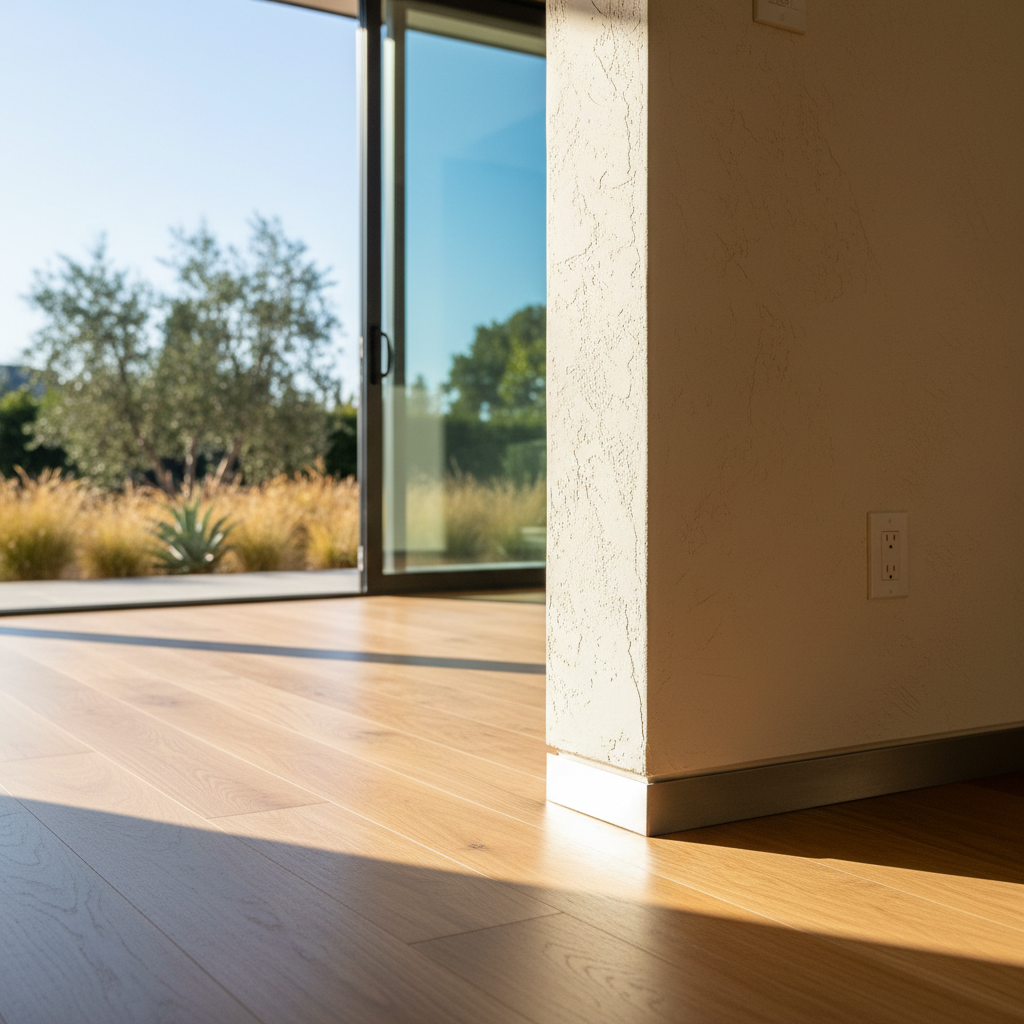
Textured walls, like orange peel or knockdown, are more forgiving. They hide minor drywall flaws and dings better, which can save you money on labor. They're also common in older homes, so if you're doing a renovation and want to match existing walls, texture might be the way to go. It's a personal preference, but if you're aiming for a sleek, updated look, smooth is usually the answer.
How much should I budget for interior finishes?
This is tough to give a precise number without seeing the scope, but I can tell you it's often more than homeowners initially expect. Finishes like flooring, paint, trim, and hardware aren't just material costs; there's significant labor involved. For a full interior refresh, including new paint, flooring, trim, and maybe some new doors, you could easily be looking at 20-40% of your total renovation budget, sometimes more if you're going high-end with custom cabinetry or exotic materials.
My advice? Get detailed quotes for each component. Don't just ask for a lump sum. Understand the cost of materials versus labor. And always, always build in a contingency budget – at least 10-15% – for unforeseen issues or changes you decide to make mid-project. It's better to have it and not need it than to need it and not have it.
When should I bring in a professional for interior finishing?
Look, I'm a contractor, so you know what I'm going to say, but it's true: for most interior finishing work, especially if you want a professional, lasting result, you should hire someone. Painting a single room? Maybe you can DIY. But if you're doing multiple rooms, or tackling trim, flooring, or anything involving drywall repair or installation, a pro is going to save you headaches and likely money in the long run.
We have the right tools, the experience to avoid common mistakes, and the skill to get those seamless finishes. For example, installing hardwood or LVP perfectly straight and without gaps takes practice. Getting crisp paint lines and a smooth, even finish on walls is harder than it looks. At Palo Alto Custom Homes, we've seen plenty of DIY projects that end up costing more to fix than if the homeowner had just hired us from the start. Your home is a big investment; treat it that way.